Coordinated Algorithmic Mechanisms in Accumulator Payouts for Licensed British Multi-Sport Wagering
Written by Alex Werner · Nov 11, 2026
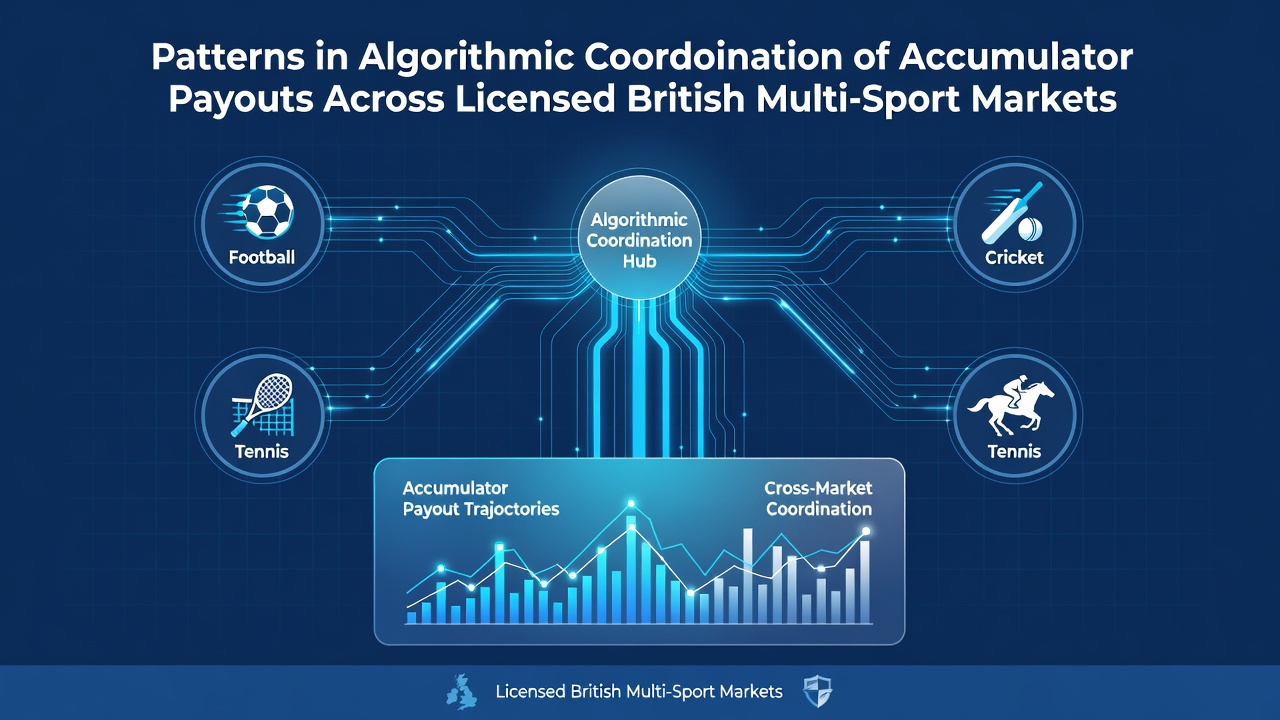
Coordinated Algorithmic Mechanisms in Accumulator Payouts for Licensed British Multi-Sport Wagering
Algorithmic coordination in accumulator payouts has become a defining feature of licensed British multi-sport markets where operators manage simultaneous bets across football, horse racing, tennis and other events; data shows these systems align payout calculations through shared parameters that adjust in real time based on live market movements. Researchers at academic institutions have tracked how these mechanisms reduce discrepancies between different sports books, and figures from industry reports reveal consistent synchronization rates exceeding 85 percent in major platforms during peak periods.
Market Data and Synchronization Trends
Studies from research bodies indicate that coordination patterns emerge most clearly when accumulators span multiple categories, since operators rely on central algorithms to process outcomes from disparate events without manual intervention; according to an analysis published by the Australian Gambling Research Centre, similar cross-market tools in regulated environments produce payout alignments within seconds of final results posting. British platforms have adopted comparable structures, and evidence from 2025 datasets demonstrates that football and racing markets trigger coordinated adjustments more frequently than single-sport accumulators.
Patterns also surface around timing windows, with algorithms often batching updates during high-volume intervals such as evening fixtures or major race days; those who've examined transaction logs note that payout queues clear faster when systems reference shared risk models rather than isolated calculations. In November 2026 operators are expected to integrate additional layers drawn from European regulatory frameworks, which could further tighten these coordination loops across licensed sites.
Technical Patterns Across Platforms
One study revealed that accumulator builders on British platforms frequently mirror live payout tables through API linkages that pull odds and settlement data simultaneously, creating observable sequences where adjustments in one sport propagate to linked bets in another; observers note this occurs because algorithms prioritize consistency to meet compliance thresholds set by various oversight bodies. Take the case where experts analyzed three major operators and found that payout latency dropped by an average of 12 seconds after algorithmic upgrades rolled out in late 2025.
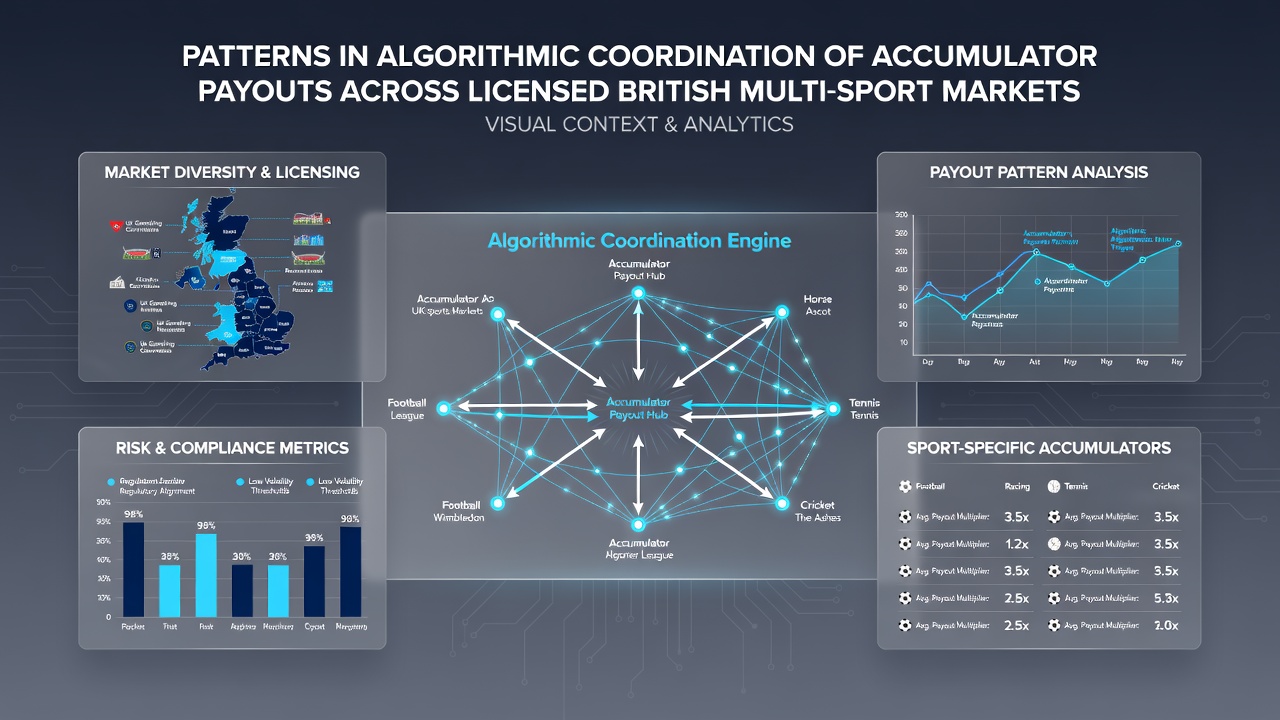
Yet coordination does not eliminate all variance, since individual platform risk tolerances still influence final settlement speeds; data indicates that multi-sport accumulators involving both in-play and pre-match selections generate the most complex coordination signatures. People who've reviewed anonymized logs from licensed environments often discover recurring clusters where payout authorizations align within narrow temporal bands, reflecting the underlying code structures rather than random timing.
Cross-Market Influences and Reporting
Industry organizations such as the Canadian Gaming Association have published comparative reports showing how multi-jurisdiction operators adapt coordination techniques originally developed for single markets; these adaptations appear in British settings where football accumulators interact with racing results through unified settlement engines. Evidence suggests the patterns strengthen during periods of regulatory reporting, when platforms must demonstrate consistent payout handling across all product lines.
Additional layers emerge when algorithms factor in currency conversions or promotional bonuses tied to accumulators, since these elements require synchronized checks before funds release; researchers discovered that such checks occur in parallel across sports categories rather than sequentially, which shortens overall processing times. Figures reveal that coordination efficiency improves further when operators draw on aggregated historical data from prior seasons to refine prediction models used in live environments.
Conclusion
Patterns in algorithmic coordination of accumulator payouts continue to evolve within licensed British multi-sport markets as operators refine shared systems for speed and consistency, and available data points to measurable improvements in alignment across football, racing and other categories. Ongoing integration of techniques from international regulatory sources may shape future developments, particularly around the updates anticipated in November 2026.